Dr. Asma Hedi Nairi Özen
[email protected]
Hate speech and xenophobia in Turkey exhibit a troubling upward trend. Initially, the primary targets of these hostile sentiments were Syrian refugees and other Arab migrants, who faced significant prejudice in various forms. Discrimination has been manifest in public discourse, media portrayals, and sometimes even in policy responses, which collectively contribute to a hostile environment for these groups.
However, the scope of hate speech and xenophobic attitudes in Turkey is expanding, increasingly affecting the African Diaspora. Members of the African community, many of whom have come to Turkey for educational and economic opportunities, find themselves subjected to similar patterns of discrimination.
The perception of African-Turkish marriages as a threat
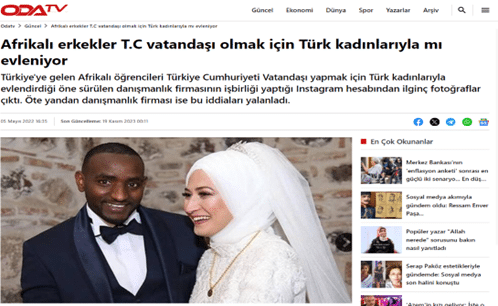
The xenophobia targeting the African migrants in Turkey is manifested in various forms. One of these is deep-seated concerns over marriages between African men and Turkish women. This particular aspect of xenophobia gets fueled by media narratives suggesting that such unions are not genuine but rather strategic attempts by African men to secure Turkish citizenship.
The insinuation made by some media outlets and echoed by certain political figures is that African men enter into marriages with Turkish women primarily as a means to an unavowed end — obtaining citizenship. This suspicion was further confirmed with reports and images circulated on social media, allegedly disclosing a consultancy firm that facilitated these marriages. The assertion here is that these marriages lack authenticity and are merely transactional, contracted to exploit legal loopholes for citizenship.
This portrayal taps into broader fears about national identity, security, and cultural purity, often amplified by xenophobic rhetoric that questions the loyalty and intentions of immigrants. By framing such marriages as a threat to societal norms and national integrity, these narratives not only stigmatize the relationships but also contribute to a hostile environment for the African community in Turkey. This situation places African immigrants under undue scrutiny and reinforces discriminatory attitudes, thereby marginalizing them further within Turkish society. These dynamics illustrate how xenophobia can extend its reach into very personal aspects of life, like romance or marriage, complicating the integration and acceptance of African individuals in Turkey.
Politically manipulated hate speech led by extreme nationalist parties
In the recent political landscape of Turkey, the discourse around immigration, particularly involving the African Diaspora, has been significantly shaped by the strategies of leading political figures seeking office. As the country approached a pivotal election, both the opposition and incumbent parties amplified anti-immigrant rhetoric in an effort to appeal to the ultra-nationalist factions within their electoral base.
This strategic alignment with ultra-nationalist sentiments was evident in the opposition’s campaign.These declarations were not isolated incidents but part of a broader, more aggressive campaign strategy that involved alliances with other nationalist parties known for their harsh stance against immigrants.
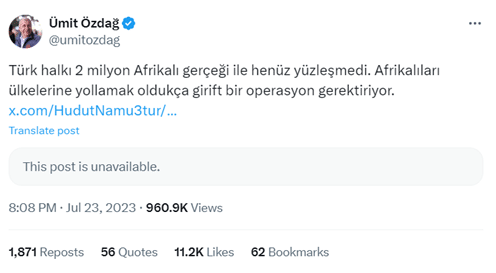
Such political maneuvers have profound implications for the African Diaspora in Turkey. When political leaders use immigrants as scapegoats for various national issues, it legitimizes xenophobia and racism, making these attitudes part of mainstream discourse. This not only heightens the societal acceptance of discrimination but also emboldens public acts of hostility towards African immigrants and other minority groups. The rhetoric of immediate deportation and the portrayal of immigrants as the root of Turkey’s problems exacerbate the challenges faced by the African Diaspora, affecting their social integration, personal safety, and access to economic opportunities.
The impact of this political discourse is multi-faceted. It not only influences public opinion but also shapes policy-making processes that directly affect the lives of African immigrants. For instance, harsh immigration policies, restrictive asylum procedures, and increased law enforcement scrutiny are often the practical outcomes of such political rhetoric. These policies can lead to a precarious existence for many members of the African Diaspora, who must navigate a constantly shifting landscape of societal acceptance and legal status.
Overall, the intertwining of political ambitions with nationalist ideologies creates a challenging environment for immigrants in Turkey, where the rhetoric used during election campaigns can have long-lasting effects on their lives and on the social fabric of the country.
The events in Karabük University
The incident at Karabük University, where rumors were circulated about students contracting sexually transmitted diseases from African students, quickly escalated beyond mere gossip. Various media outlets, social media platforms, politicians, and local government representatives seized upon these allegations, using them as a pretext to further xenophobic attitudes within the community.
Media coverage sensationalized the story, providing a distorted view of the events that reinforced fears and prejudices against African students and, by extension, other foreign nationals. This kind of sensationalism tends to attract more viewers or readers, feeding into a cycle of misinformation that exacerbates social divisions.
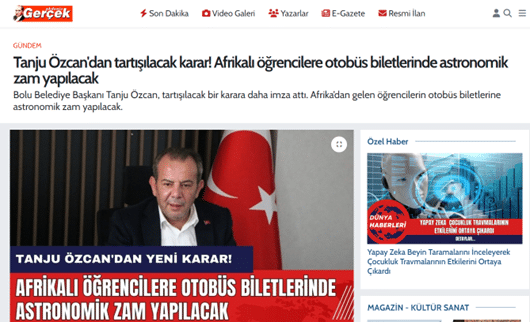
The rumors about foreign student promiscuity, prostitution and a consequent outbreak of STDs spread rapidly on social media, as users shared the allegations without verification and contributed to a climate of suspicion and hostility. These platforms, with their broad reach and speed of information dissemination, played a significant role in amplifying xenophobic stories.
Politicians and local government officials played a part in this development. Some referenced the incident, either directly or indirectly, to support stricter immigration policies or to justify discriminatory attitudes towards the African and other immigrant groups. By aligning themselves with the growing xenophobic sentiment among certain segments of the population, these leaders sought to galvanize their base projecting an image of being tough on issues of national purity and security.
This use of the incident as a pretext for xenophobia is a stark reminder of how quickly misinformation gets weaponized to reinforce and justify prejudiced attitudes. It underscores the need for responsible reporting, careful verification of facts, and a more thoughtful discourse around issues of immigration and multicultural integration.
In conclusion, the escalation of xenophobic attitudes and hate speech in Turkey poses a significant threat to the diplomatic efforts and the relationships that Turkey has cultivated with African nations over the past decade. As Turkey strives to strengthen its economic, cultural, and political ties with Africa, the growing trend of xenophobia will undermine these efforts, casting a shadow over Turkey’s image on the international stage. It is essential for Turkish policymakers to address this evolution decisively, not only to maintain internal social harmony but also to preserve and enhance Turkey’s reputation abroad. Failing to combat these pernicious perceptions will deter potential collaborations and investments, hindering Turkey’s aspirations to be a pivotal player on the global stage. It is, therefore, in Turkey’s best interest to promote a more inclusive and tolerant society, reflective of its diplomatic ambitions and its diverse cultural heritage.